Call for Clarity on Permitted Development Guidance that has left communities with negative impacts.
GOING UNDERGROUND campaigners have called for the Government to clarify the guidance on Permitted Development rights that allow telecommunications installations to take place without the need for specific planning permission. This issue was raised with Graham Stuart MP on November 8 and campaigners have been assured that the issue is being ‘heard by Government’.
Clarity and plain language are essential in understanding the Government’s position on permitted development legislation – where practicable.
The last two words in the above sentence undermine its purpose. Yet the guidance offered to local planning authorities (LPAs) about managing alternative broadband network builders (AltNets) who are deploying telegraph poles in communities under permitted development rights, is full of such ambiguities.
“Operators must comply with a number of statutory obligations when installing their networks. These obligations include requirements to share apparatus where practicable; to use underground, rather than overground, lines where reasonably practicable, with certain exceptions; and when installing apparatus, to minimise the visual impact on the surrounding area as far as reasonably practicable.”
Minister of State DSIT letter to LPAs 13 April 2023.
This is not semantics, because the lack of clarity has led to a paralysis in how some local authorities react to AltNets when they turn up on their patch.
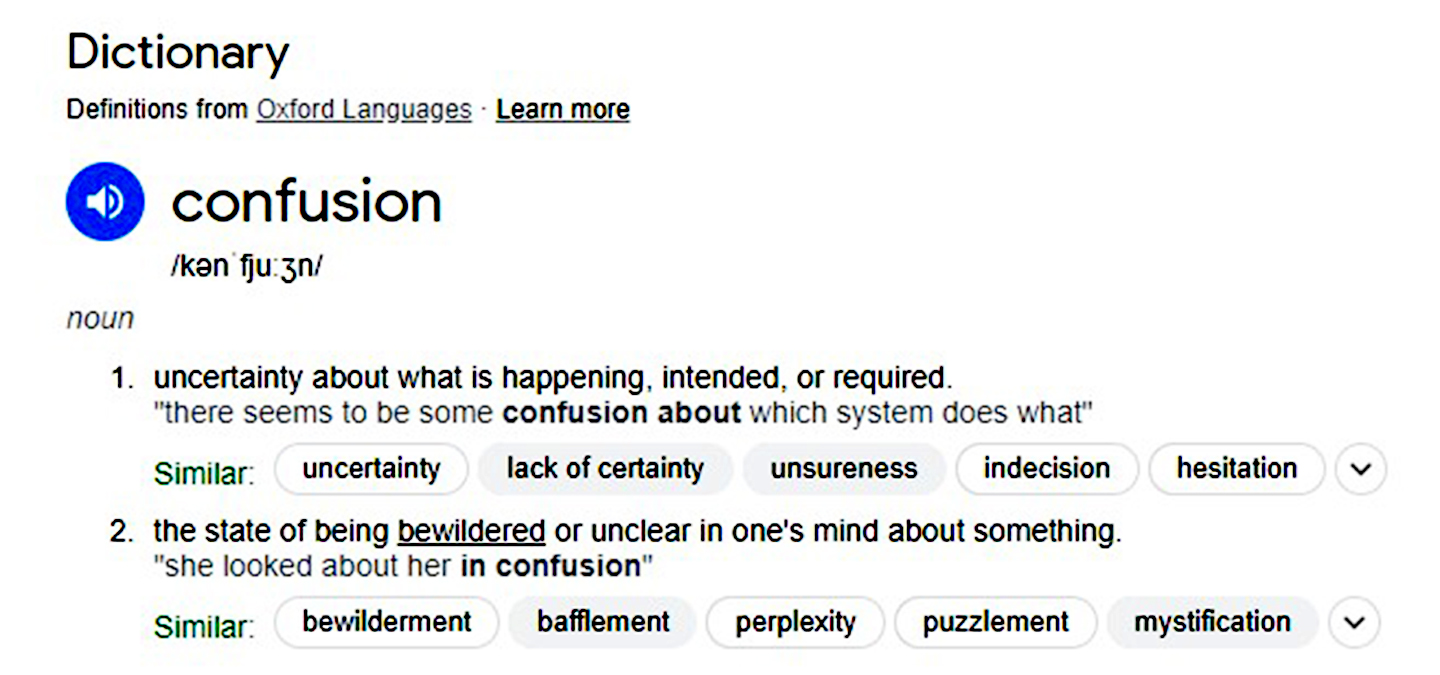
The word ‘practicable’ in the obligations and requirements is causing confusion i.e. it is open to different interpretations.
In Hedon, existing underground gigabit-capable infrastructure exists, and I would suggest that AltNets should be required to use it, go underground rather than overground, and minimise the visual impact on the local area. However, the words ‘where practicable’ have only served to confuse and led to a situation where the opposite has occurred i.e. no sharing, AltNets went overhead and the visual appearance of the town was affected.
Could a plain-language version of the Minister’s guidance be produced? Could the scenarios covered by “where practicable” be better explained i.e. with examples of where the requirements are not practicable?
The same letter quoted says that AltNets:
“must also notify you, the local planning authority, in writing at least 28 days in advance of their intention to deploy infrastructure (subject to exceptions). You may then set out conditions with which you wish the operator to comply.”
Minister of State DSIT letter to LPAs 13 April 2023.
Could this sentence have an addendum to explain the kind of conditions that Local Planning Authorities can set? It could actually list the most popular and frequent conditions that LPAs can set.
The Hedon case study is not an isolated one. Across the UK there is an increase in the number of complaints to local councillors and MPs about telegraph pole deployments. These tend not to receive much national attention. Resident complaints start usually at the stage where 28-day notices are served. By the time groups exhaust the avenues of complaints; the council, MP, Ofcom, etc, poles are already planted leaving a bitter aftertaste with residents, councillors and officers feeling perplexed. The local nature of these spats has meant that this issue has largely remained under the radar nationally. It is time for that to change!
As the independent regulator for telecommunications operators, Ofcom is able to take enforcement action if it has reasonable grounds to believe that operators are failing to comply with their statutory duties and obligations when deploying apparatus. This can best happen if Ofcom is kept informed and receives evidence of non-compliance.
I am therefore writing to encourage you (LPAs – Editor) to let Ofcom know and provide them with evidence of any instances where operators are not adhering to their statutory obligations so that appropriate investigations can be made and action taken. This will help ensure that the legal framework operates effectively and that deployment happens in a way that takes into account not only the benefits of consumer connectivity, but also the impact of installations on communities across the UK.
Minister of State DSIT letter to LPAs 13 April 2023.
The Local Planning Authorities in the East Riding and Hull City Councils need to get a grip and ensure they use their powers to protect communities (like Hedon) that have clearly said NO to telegraph poles and NO to poor operators like MS3 Networks.
Ray Duffill.
